
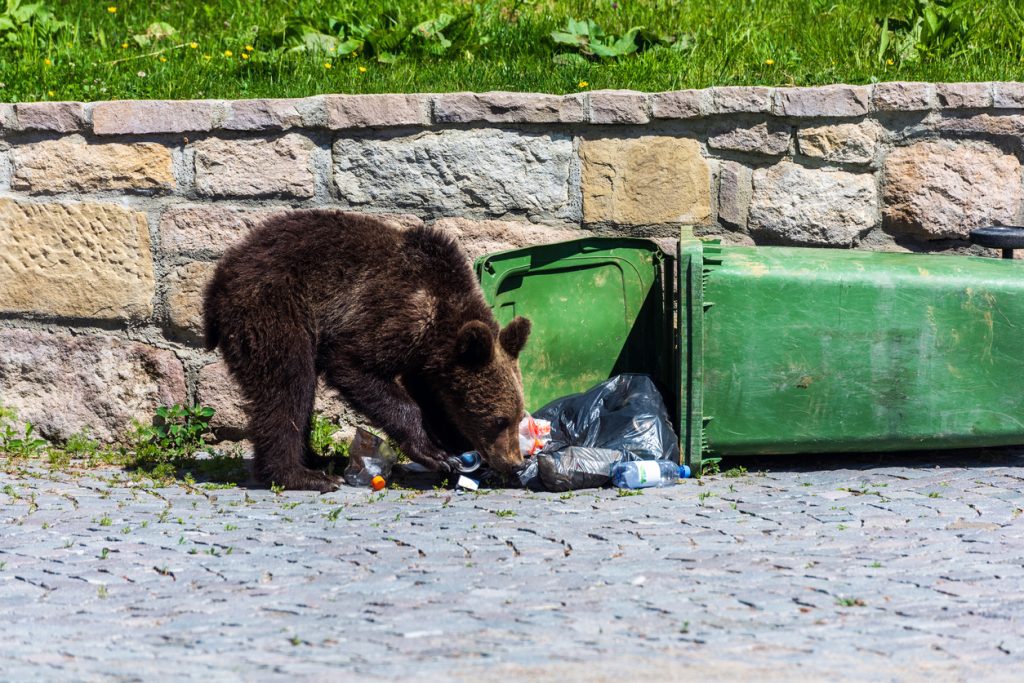
It’s frustrating to see conservation programs succeed, only for animals to be killed because we haven’t learned how to live alongside them.
Eric Berger reports in The Guardian that people are running into bears more often across the country, from Wyoming to Connecticut, Colorado, and Florida. In some places, wildlife officials are putting down more bears than last year.
There’s some good news behind this. In many places, bear populations that were once hurt by hunting and habitat loss have bounced back. But people have also moved further into bear territory, and more of us are visiting parks and wild spaces.
Weather and climate are another factor.
In some western states, drought and high temperatures have made their traditional food scarce, so hungry bears look for food in new places. Sadly, that often means neighborhoods, campgrounds, garbage cans, and back porches.
But not every bear roaming through a neighborhood is there because of climate change. Wildlife biology is complicated, and some experts in Berger’s article think this year could just be unusual.
Still, it should bother us that the way we usually handle this means a bear ends up dead, and it is not their fault.
When bears learn people are a steady food source, they can become dangerous. Wildlife officials then face a tough decision, sometimes with no safe options.
But many of these situations could have been avoided with a little thought.
If we secure our trash, keep food indoors, store food properly when camping, and know how to behave around wildlife, we can keep people safe and stop bears from thinking we are a free meal ticket.
The idea of interacting with wild animals is really neat, until they show up in “our” spaces we’ve built in their home.
Maybe living together with wildlife starts by admitting there’s room for compromise and we can be better.
Summary and commentary by The Times Contrarian. Based on reporting by theguardian.com. Read the original article at theguardian.com.