
By Robert Reich
Who has the best chance to take the House and Senate in the midterms?
Friends,
Are we witnessing the takeover of the Democratic Party by its progressive wing? And, if so, will that help the Dems in their races with cowardly Republicans this fall, or hurt them?
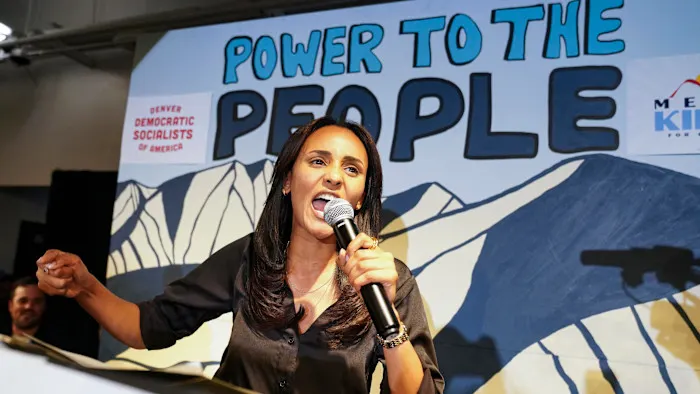
A new generation of Democrats — some calling themselves social democrats — have been elected mayors of New York, Seattle, and effectively Washington, D.C. And a growing number of them have toppled incumbents and establishment Democrats — in Colorado, New York, and elsewhere.
But establishment Dems are fighting back, particularly since the implosion of Graham Platner’s campaign in Maine. They’re calling the progressive populists “too extreme” or “too far left” for the electorate. But maybe the electorate isn’t as easily mapped on to the old “left” versus “right” continuum. Maybe voters in both parties have turned anti-establishment and populist.
I’ve spent much of the past week talking with leading Democrats, campaign advisers, and people I consider among the wisest political thinkers in America about what they foresee for the Democratic Party and its candidates, especially going into the midterms. Given what’s happened to the Republican Party under Trump, I asked them which part of the Democratic Party is likely to triumph — establishment Democrats or insurgent progressive populists — and whether this will help or hurt Dems in the critical midterms.
I’ve grouped their answers into the following categories:
1. The establishment will triumph because that’s where the money is.
Several knowledgeable insiders told me that ultimately the Democratic establishment will come out on top because they control the money, and it’s all about money. Chuck Schumer, Hakeem Jeffries, the Democratic National Committee, the campaign committees in the House and Senate, and their corporate and wealthy backers will tolerate the newcomers — particularly Zohran Mamdani, AOC, and some of the more talented rising stars — because they’ve generated so much enthusiasm. But, I’m told, the establishment won’t cede them much if any control. If voters perceive the Trump Republican Party as more anti-establishment than the Democrats, this could hurt Democrats in the midterm elections.
2. Progressive populists will triumph because that’s where the energy is.
I heard the opposite view from other political advisers who say all the energy in the Democratic Party is now with the insurgents. Trump’s GOP is dying, and voters of all stripes crave new ideas and new energy. The young progressive populists who are winning races aren’t relying on big money; they’re relying on big enthusiasm. Although money buys ads, ads are far less significant than they once were. Enthusiasm buys armies of young people going door-to-door, influencing their neighbors and friends. That, I’m told, is where the future lies. And, according to the political advisers who hold this view, this is also the best way of beating Republicans this fall in both the House and the Senate.
3. Short term, the establishment will continue to dominate the party. Longer-term, progressive populists will dominate.
A third view is that the establishment will continue to dominate Democratic politics for the foreseeable future because Democratic politics is organized around certain institutions and processes that favor insiders (primaries, caucuses, big money, gerrymanders, and winner-take-all races). But the establishment is steadily losing ground, and in two or three election cycles, the insurgents will have gained enough clout to change those institutions and procedures to favor the younger progressive populists. Also, where they win primaries and take on Republicans in general elections, insurgents are likely to win more and more races, mainly because they’re speaking to the issues voters care about: affordability of housing, healthcare, childcare, and food. In other words, according to this view, it’s only a matter of time.
4. The Democratic Party as such is dead. It’s all about individuals now.
The final set of views I heard was that the Democratic Party, like the Republican Party, is essentially moribund. Voters are paying less attention to party affiliations and more to the individuals seeking to be elected. By this view, the progressive populists are winning because they’re acting like individual entrepreneurs. Social media gives them many more ways to reach voters, and they’re raising lots of small-dollar donations. Meanwhile, the Democratic Party as such, like the Republican Party, has lost most meaning for voters. If anything, the party brands are viewed negatively. Almost half of all voters have no party affiliation. So, watch Mary Peltola in Alaska, Josh Turek in Iowa, Dan Osborn in Nebraska, Roy Cooper in North Carolina, Sherrod Brown in Ohio, James Talarico in Texas, Abdul El-Sayed in Michigan, and Jon Ossoff in Georgia — not because they’re the future of the Democratic Party, but because they have what it takes to win.