
By Cal Jeffrey
Smile, you’re on robotaxi camera
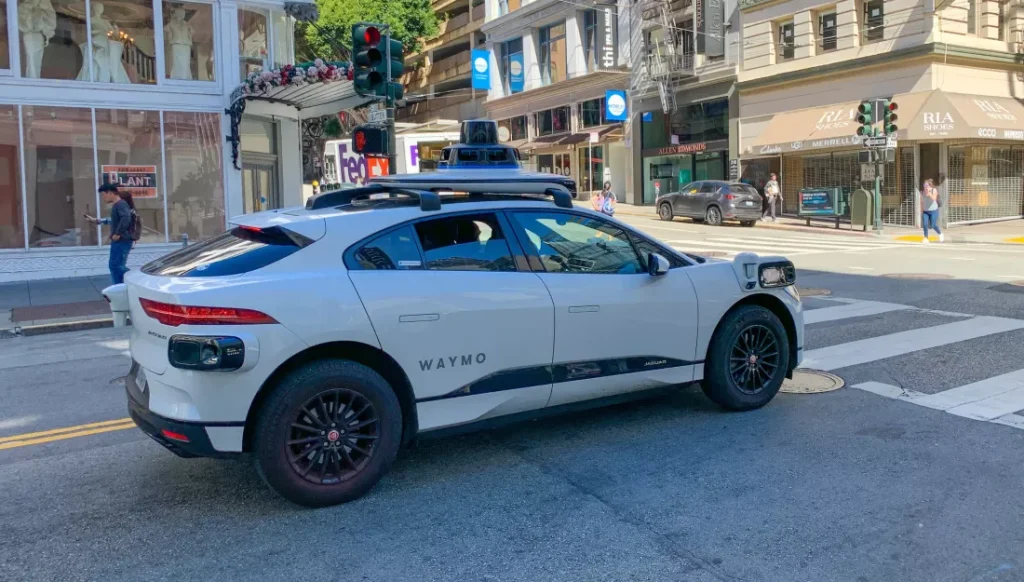
Big Brother is watching: As robotaxis struggle to break free of their isolated testing pockets, one thing is becoming clear: if you see an autonomous vehicle, it sees you too. Police departments in cities where these services operate are increasingly seizing footage from the cars when they believe it could help an investigation – but what does that mean for your privacy?
In April, the Los Angeles Police Department released video footage captured by a Waymo robotaxi as part of a hit-and-run investigation (below). The brief and grainy clip shows the moments before a speeding, human-operated vehicle struck a pedestrian. Notably, the LAPD later released the footage – labeled “Waymo Confidential Commercial Information” – to solicit tips to identify the suspect. The results of the investigation are unclear.
The incident is not the first time police have used Waymo footage in a criminal investigation. Bloomberg notes that departments in San Francisco, California, and Maricopa County, Arizona, have issued legal requests – typically warrants or subpoenas – to obtain video from the cameras of Waymo vehicles (and other autonomous fleets) as evidence since 2023. According to an ABC report from 2022, law enforcement in Arizona’s East Valley, which includes cities like Mesa and Chandler, have used Waymo footage since it launched in Phoenix in 2016.
Autonomous vehicles equipped with 360-degree cameras continuously record their surroundings – effectively creating a vast, mobile surveillance network. As Bloomberg put it, these cars are “essentially surveillance cameras on wheels,” raising urgent questions about the scope and oversight of this data collection.
Autonomous vehicle companies remain cautiously compliant with legal requests. A Waymo spokesperson told Gizmodo that it hands over footage only when presented with a valid warrant, subpoena, or court order – and carefully reviews each request to ensure it targets only what’s necessary. However, releasing even a redacted clip highlights the fine line between corporate transparency, legal cooperation, and privacy concerns.
The rising use of autonomous vehicle footage reflects broader surveillance trends: doorbell camera-sharing networks like Ring, automated license plate readers, and citywide systems such as New York’s Domain Awareness System all extend public monitoring. Privacy advocates argue these systems normalize mass observation, often without public oversight or meaningful consent.